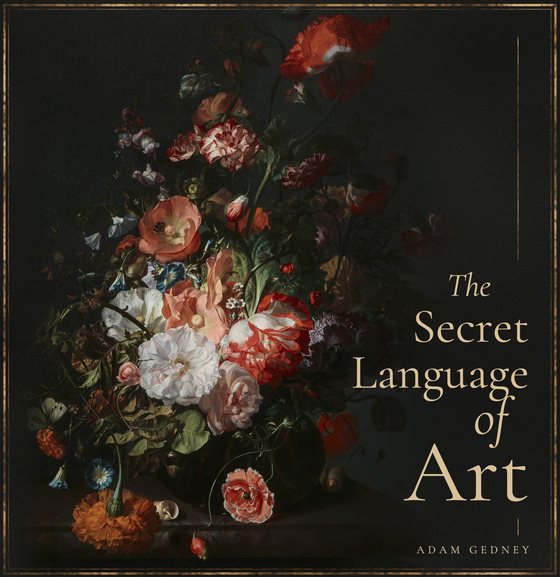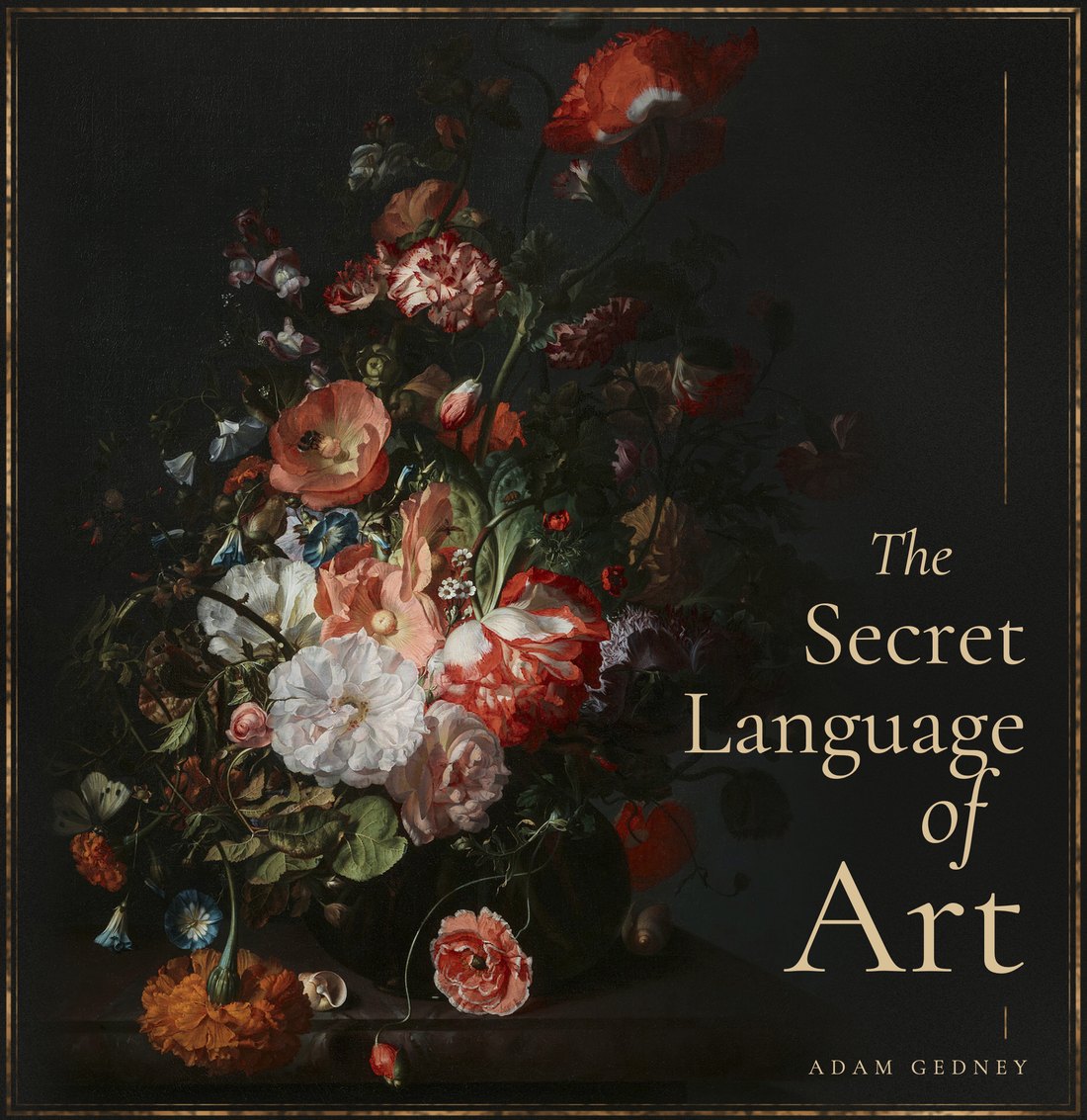
A book by Adam Gedney
The Secret Language of Art
Every object in a Dutch still life meant something. This book gives you the vocabulary back: 86 symbols, each with its meaning and a full-page image.
Releases November 11, 2026
The problem
You are looking at paintings you can no longer read.
In the Dutch Republic of the 1600s, painters filled tabletops with skulls, burned-down candles, hourglasses, coins and flowers past their bloom. Each object carried a meaning, and buyers knew those meanings from the emblem books on their own shelves. They read a painting the way we read a sentence, and a crowded table the way we read an essay.
Then the emblem books fell out of fashion, and the objects went back to looking like furniture and fruit. Four hundred years later, most of us walk past the message.
Inside the book
One symbol. One meaning. One full page.
Every entry is a single object, shown large and explained in plain language. A few of the 86:
-
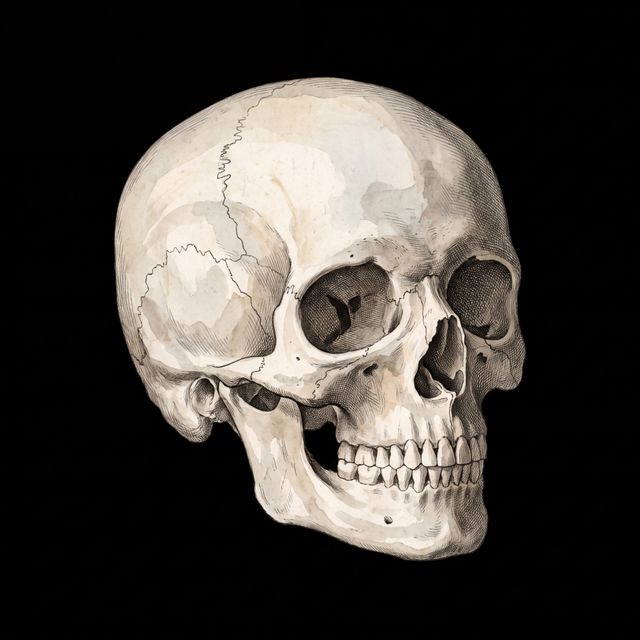
Skull
The definitive memento mori, an unambiguous sign of death and the futility of earthly pursuits.
-
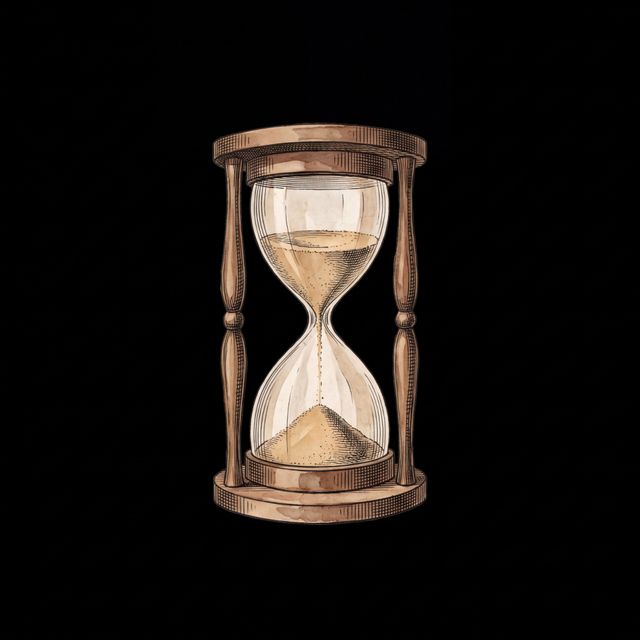
Hourglass
The unstoppable passage of time and the brevity of life.
-
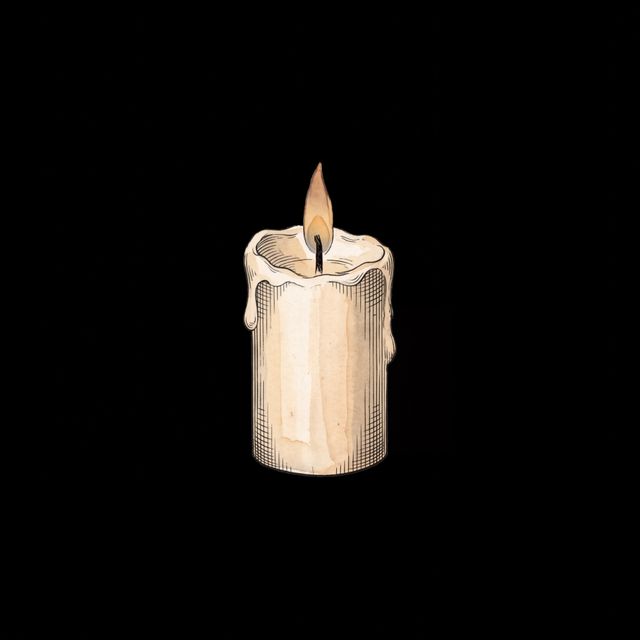
Burning Candle
Life equated with flame, a life burning down the way wax and wick do.
-
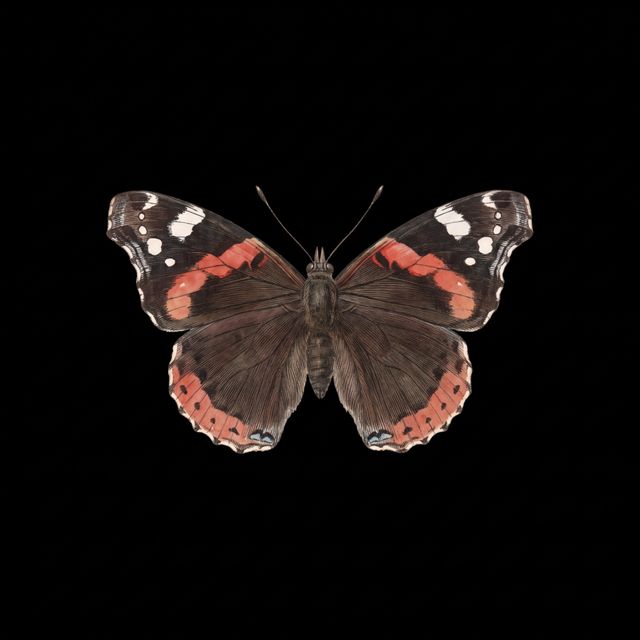
Butterfly
The soul, and in Christian terms resurrection and transformation through metamorphosis.
-
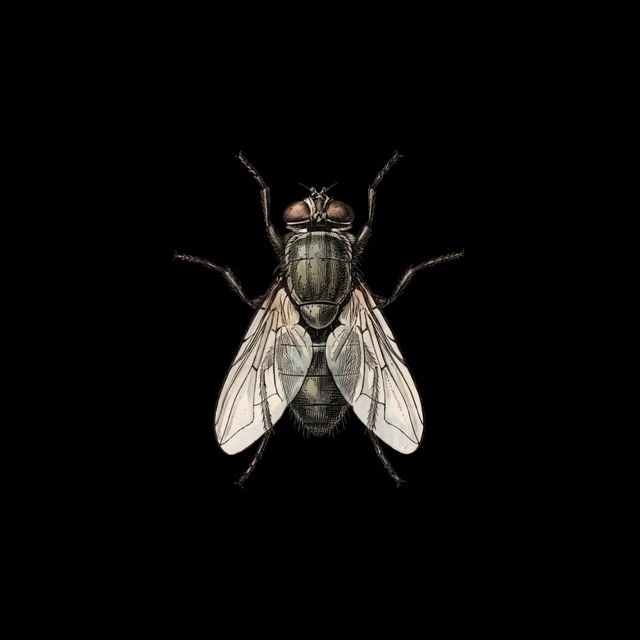
Fly
Decay, corruption, sin and mortality, an agent of rot linked to Beelzebub, Lord of the Flies.
-
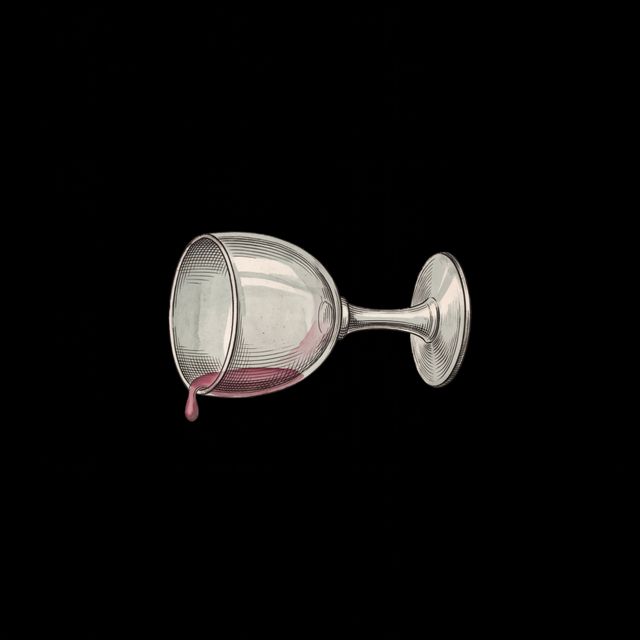
Overturned Wine Glass
Pleasure already spent, the drink gone and the moment over.
-
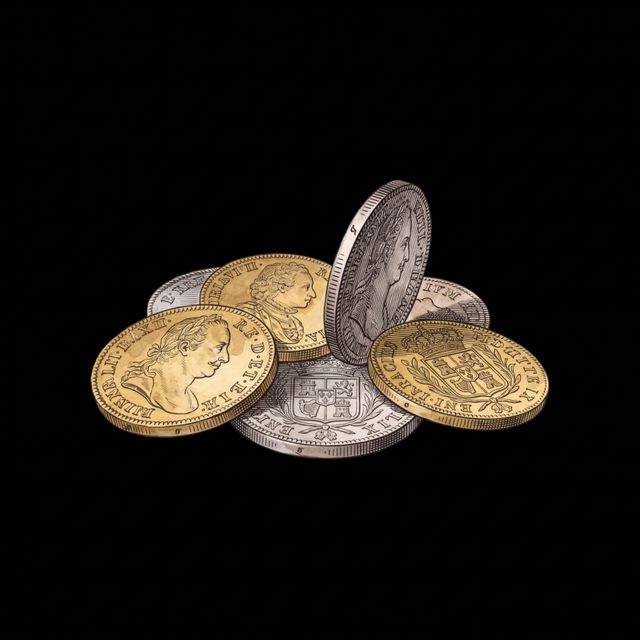
Coins
Accumulated wealth and its complete worthlessness once death arrives.
-
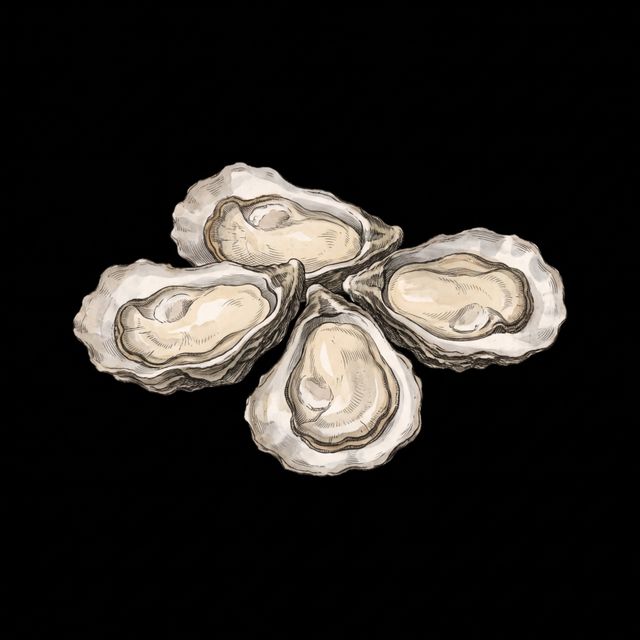
Oysters
Sensual pleasure and temptation, rooted in the period's belief that oysters were an aphrodisiac.
The book
Made to be looked at and made to be read.
- 86 symbols from the Dutch vanitas tradition: skulls and timepieces, flowers and fruit, instruments, books, vessels, scrolls.
- Documented meanings only. The entries keep to meanings found in the Dutch tradition itself. Later inventions, like the Victorian language of flowers, are left out.
- A full-page image for every entry, on black, so each object gets the room a painter would have given it.
- A coffee table book. Open it anywhere, read one entry, close it. Or read it straight through.
From the introduction
Learn to read one table, and you can read them all.
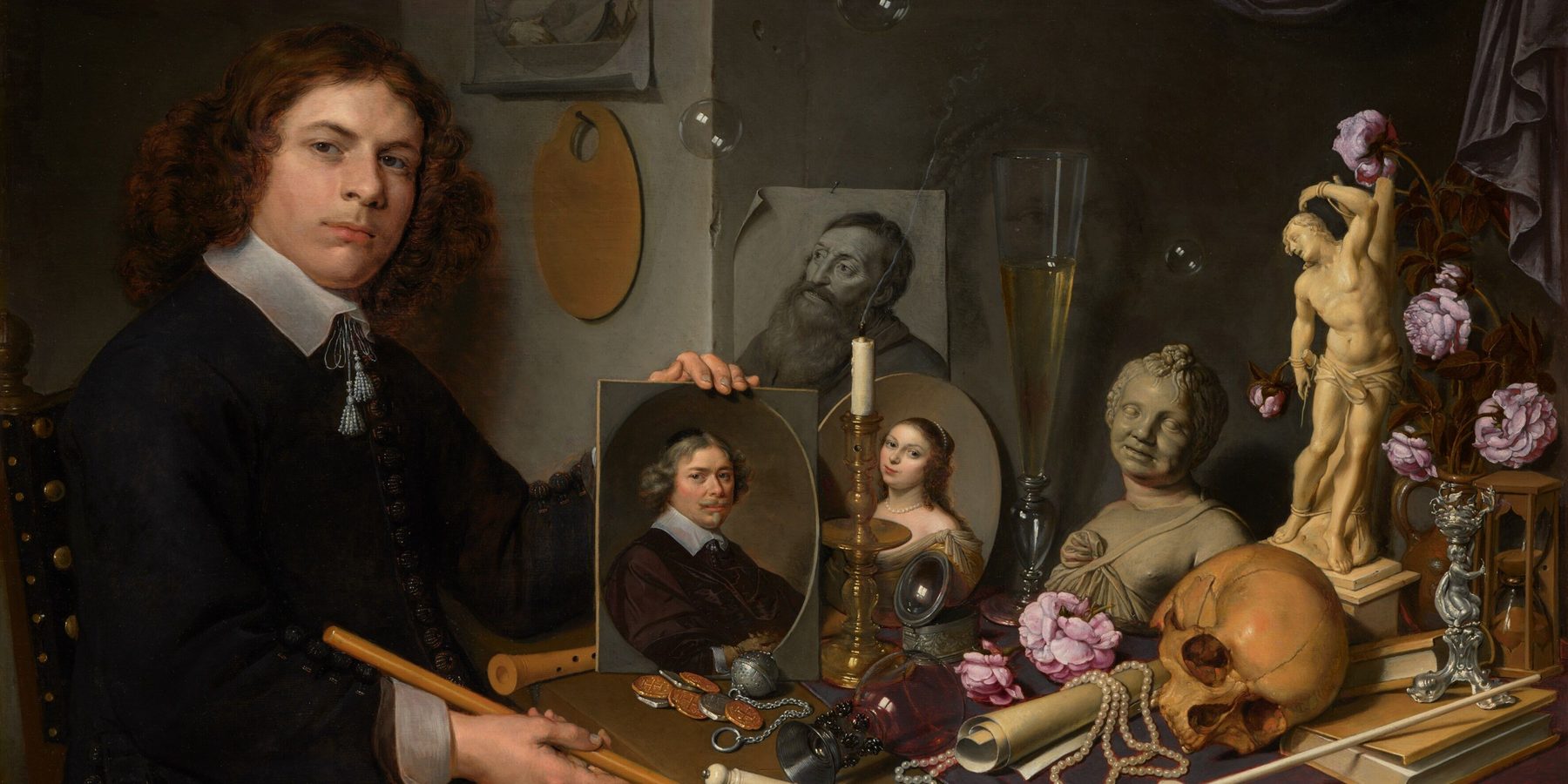
“Across the table we see a skull, an hourglass and a candle just snuffed, its smoke still rising. Coins and pearls spill beside an overturned glass, the roses are wilting, and soap bubbles float overhead. […] A viewer in 1651 could read all of this the way we read a sentence. This book gives you the same ability.”
Then write one
The same vocabulary works in a photograph.
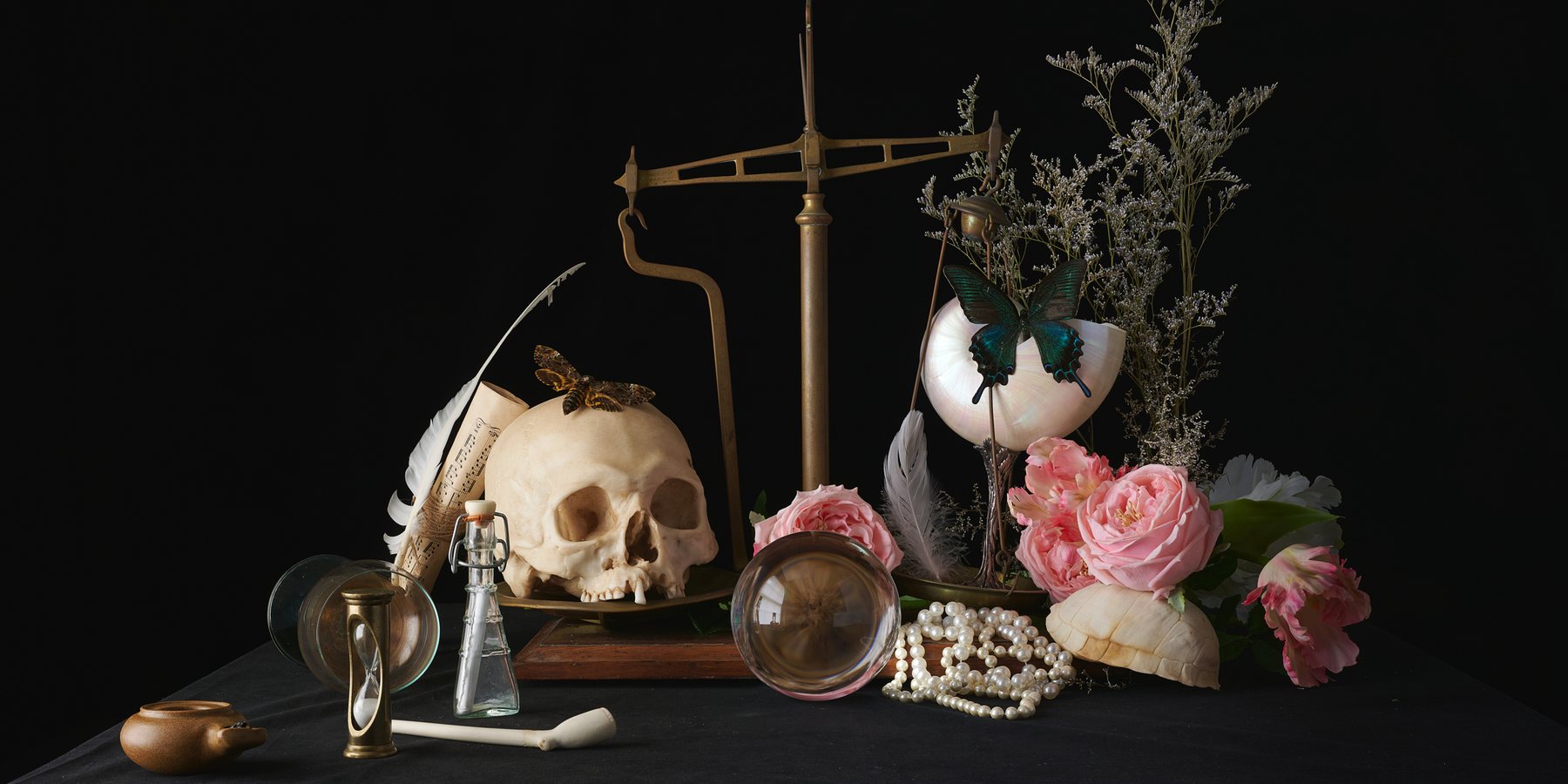
The vanitas tradition is still alive in my own work. In The Moth and the Butterfly, the left side of the table is corruption: a skull, a clay pipe, an oil lamp already gone out. The right side is beauty: a nautilus, a blue butterfly, pearls and roses. A brass balance holds both, and it has tipped toward the skull.
Once you know the vocabulary, you can read a vanitas in any museum. You can also arrange your own, on canvas, in a photograph or on a shelf at home, so that anyone who knows the language can read what you wrote.
After you read it
You will see the old paintings differently.
- You will read a Golden Age still life object by object, and know why each one is on the table.
- You will tell a documented meaning from a modern guess.
- You will be able to compose meaningful images of your own.
- You will carry the habit past the Dutch masters. It opens your eyes to all art.

The author
Adam Gedney
Adam Gedney is a fine art photographer in Huntington, West Virginia. His vanitas still lifes follow the Dutch Golden Age tradition, and in 2026 he received Best in Show at the Tri-State Arts Association juried exhibition at the Huntington Museum of Art.
His work is shown and sold as limited edition archival pigment prints. The Secret Language of Art is the guide to the symbols those photographs, and the paintings they follow, are built from.
Questions
Before you sign up
- When does it release?
- November 11, 2026.
- How will I know when I can order it?
- Put your email in the form on this page. Ordering details go out to that list.
- Do I need an art history background?
- No. Every entry is written in plain language, and the book starts from the beginning.
- Is it only about Dutch painting?
- The meanings come from the Dutch tradition because that is where they are best documented. The habit of reading objects as symbols applies to all art.
- What will you do with my email?
- Send you news about this book. You can unsubscribe from any message.